If there’s one bit of motorhome kit that causes more confusion than almost anything else, it’s the leisure battery. Ask three motorhomers which type of leisure battery is best, and you’ll probably get three different opinions.
Lead-acid, AGM, lithium… it can all start to sound a bit technical. But at its heart, choosing the best campervan leisure battery simply comes down to how you use your motorhome and how much you are willing to spend.
What is a leisure battery?
Your leisure battery powers everything in the living area of your motorhome: lights, water pump, heating controls, USB sockets, the best motorhome TV, and sometimes your fridge if it’s running on 12V.
It’s separate from the vehicle starter battery (although make sure you know how to avoid a flat motorhome battery), so you can enjoy your evening without worrying whether the engine will start in the morning.
But not all batteries behave the same way — and that’s where the choice between lead-acid, AGM and lithium leisure batteries comes in.
The old faithful: Lead-acid batteries
The traditional leisure battery is the lead-acid battery, often called a ‘wet battery’. They have been around for decades and are still fitted in many motorhomes today.
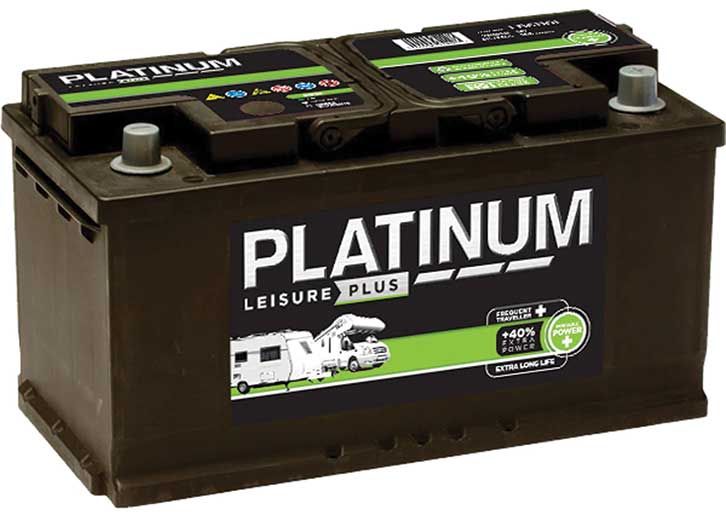
Pros of a lead-acid battery
- Cheapest option to buy
- Widely available
- Simple and reliable
The cons of a lead-acid battery
- Heavy
- Limited usable capacity
- Shorter lifespan than the alternatives
Here’s the key point many owners don’t realise: with a lead-acid battery, you can use only about 50% of its capacity. If you have a 100Ah battery, you effectively have around 50Ah of usable power before you need to recharge it. Regularly draining it further can dramatically shorten its life (although don’t miss our tips on how to extend the life of your leisure battery).
A typical lead-acid leisure battery might last between two and four years, depending on how it’s used and maintained.
For motorhomers who mainly stay on campsites with electric hook-up, they’re often perfectly adequate — and the low cost certainly makes them attractive.
The middle ground: AGM batteries
AGM (Absorbent Glass Mat) batteries are essentially an upgraded version of lead-acid technology. Instead of liquid electrolyte sloshing around inside, it’s absorbed into a glass fibre mat. That makes the battery sealed, maintenance-free, and more robust.
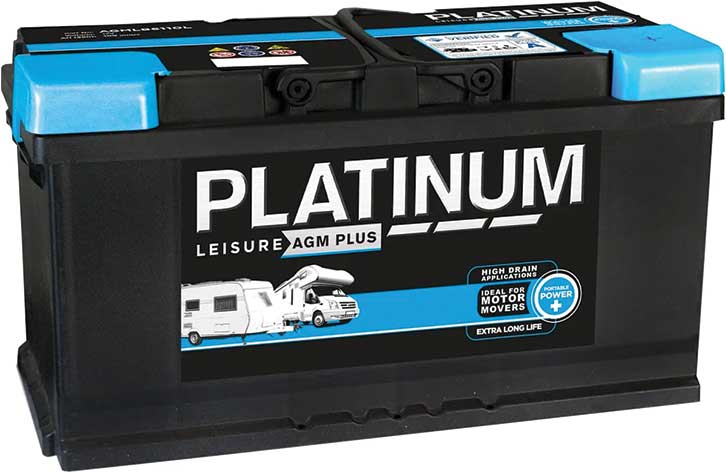
The pros of AGM batteries
- More durable than traditional lead-acid
- Better at handling deeper discharge
- Faster charging
- Sealed and maintenance-free
The cons of AGM batteries
- More expensive than lead-acid
- Still quite heavy
- Not as long-lasting as lithium
AGM batteries usually allow around 60–70% usable capacity, so you can safely draw more power before needing to recharge. They also cope better with frequent charging cycles, which is useful if you spend time off-grid. Expect a lifespan of roughly four to six years.
For many motorhome owners, AGM is a sensible middle ground — better performance without the big price jump that lithium brings.
The modern choice: Lithium batteries
Lithium leisure batteries (usually LiFePO4) have transformed off-grid motorhoming.
They’re lighter, more efficient, and dramatically longer lasting. But they also come with a bigger up-front price tag.
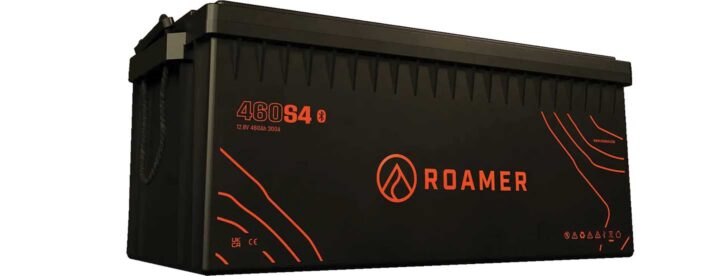
The pros of lithium batteries
- Much lighter
- Almost full capacity usable (around 90–100%)
- Very fast charging
- Extremely long lifespan
The cons of lithium batteries
- Higher cost to buy
- Sometimes require system upgrades
- Not always necessary for occasional users
Here’s where lithium really stands out. A 100Ah lithium battery gives you almost the full 100Ah to use, compared with roughly 50Ah from a traditional lead-acid battery. They also charge much faster – meaning a short drive or a bit of recharge from a campervan solar panel can put a lot of power back in. And the lifespan? Often 10 years or more, with thousands of charge cycles.
For those who enjoy camping off-grid (ie, not connected to mains hook-up), like to work remotely in the ’van, or use power-hungry appliances such as coffee machines or air fryers, a lithium battery can be a game-changer.
What about cost?
Let’s talk rough numbers.
A typical 100Ah battery might cost approximately:
- Lead-acid: £90–£150
- AGM: £180–£300
- Lithium: £400–£1000+
At first glance, lithium looks eye-wateringly expensive. But when you factor in the longer lifespan and usable capacity, the cost difference isn’t always as dramatic as it first appears. Still, it’s not the right choice for everyone.
Which type of leisure battery is right for you?
It really comes down to how you use your ’van.
- Campsite motorhomers (mostly on hook-up) – a standard lead-acid battery will do the job just fine.
- Touring with occasional off-grid nights – AGM offers a good balance of cost and performance.
- Frequent wild campers or heavy power users – a lithium battery can transform your off-grid experience.
One final tip
Before upgrading to lithium, check your motorhome’s charging systems. Some older vehicles may need upgrades to the battery charger, solar controller, or battery-to-battery charger to make the most of lithium technology. A good motorhome engineer or specialist installer can advise on that.
The bottom line
Leisure batteries are like shoes. You can walk across a field in dress shoes – but a decent pair of boots makes the experience more enjoyable.
Lead-acid batteries still work perfectly well for many motorhomers. AGM improves things a bit. And lithium takes things to another level – especially if you love life off-grid. The best battery isn’t necessarily the most expensive one. It’s the one that suits your travel style.
And if your lights stay on, your kettle boils, and the heating works on a chilly night… you’ve chosen well.
If you’re thinking of parting with your ‘van soon, you’re going to want to ensure you get the best price for it – take a look at our tips on selling a motorhome to find out what you need to know.
You can find out more about Motorhome Matt and listen to his podcast at motorhomematt.co.uk
If you’ve enjoyed reading this article, why not get the latest news, reviews and features delivered direct to your door or inbox every month. Take advantage of our brilliant Practical Motorhome magazine SUBSCRIBERS’ OFFER and SIGN UP TO OUR NEWSLETTER for regular weekly updates on all things motorhome related.