Ask most motorhome owners about weight, and they’ll tell you their vehicle must stay below its maximum authorised mass (MAM). That’s absolutely true – but it’s only half the story.
When it comes to motorhome weights, the reality is that you can be comfortably under your overall weight limit and still be driving illegally because one axle is overloaded. It’s something many owners never think about until they’re stopped at a roadside check or notice that their motorhome doesn’t feel quite right on the road.
Weight isn’t just about how much you carry. It’s about where you carry it too.
Every axle has its own limit
Your motorhome has a maximum weight it can legally carry, but it also has individual limits for the front and rear axles. These figures are shown on the manufacturer’s weight plate, usually found under the bonnet in the engine bay, or inside a cab door frame. Think of it like carrying shopping bags.
You might be able to lift 20kg in total, but if you put all 20kg in one hand, it’s going to feel awkward and difficult to control. Your motorhome works in much the same way.

The rear axle is particularly vulnerable because many of the heaviest items naturally sit towards the back. The garage is often loaded with bikes, barbecues, outdoor furniture, motorhome levelling ramps, toolboxes and perhaps an awning room. Add a full water tank behind the axle, and suddenly the rear suspension is working much harder than the front.
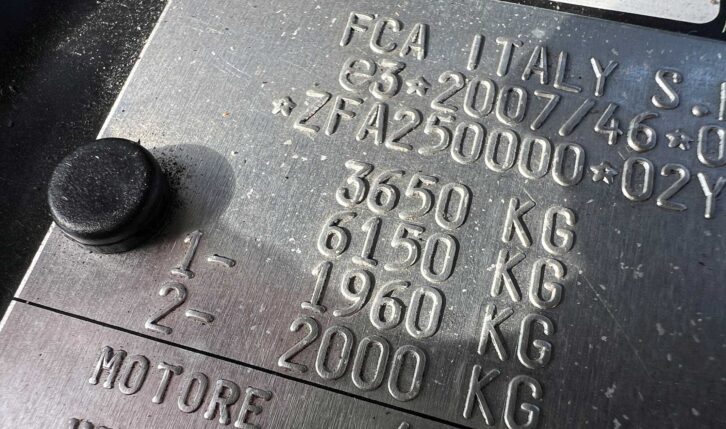
You might see two weight plates under the bonnet. One is the chassis manufacturer’s plate and the other is the converter’s plate. Often, the gross weights may be higher on the chassis plate. The converter can lower the gross weight to 3500kg to maximise sales. The motorhome converter plate is the one to note.
The overhang effect
One thing that’s often overlooked is the rear overhang. Anything carried behind the rear axle doesn’t simply add its own weight – it acts like a lever.
For example, a 30kg e-bike mounted on a rack can place considerably more than 30kg onto the rear axle while simultaneously reducing the weight on the steering axle. That’s why adding a bike rack, mobility scooter or storage box to the back of a motorhome can have a much bigger effect than many people realise.
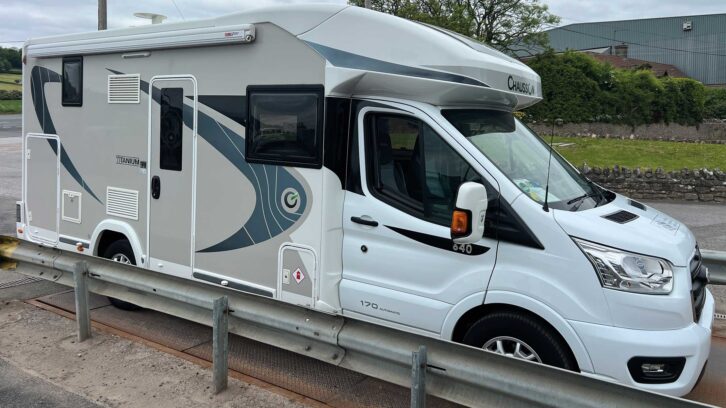
Less weight on the front axle means the steering can become lighter, reducing grip and affecting braking performance.
It’s not just about legality
Weight distribution directly affects how your motorhome drives.
An overloaded rear axle can result in the following issues:
- Longer braking distances
- Reduced steering precision
- Increased body roll through bends
- Poorer stability in crosswinds
- More wear on the motorhome tyres
- Extra strain on the vehicle’s suspension, bearings and brakes.
If you have ever driven a motorhome that feels unsettled on a windy motorway or seems to wander more than usual, poor weight distribution could be part of the problem.
Loading smarter
The good news is that improving weight distribution usually doesn’t involve buying anything. As a rule of thumb, when you’re loading your motorhome:
- Keep heavy items low down
- Store heavy equipment as close to the centre of the vehicle as possible
- Avoid filling the rear garage with everything you own
- Spread weight evenly from side to side
- Leave lighter items for the overhead lockers.
It sounds obvious, but many of us load from the back forwards because it’s easier. Unfortunately, that’s often the worst place for the heaviest gear. If you carry bottled drinks, toolboxes, spare parts or outdoor cooking equipment, ask yourself whether they really need to be in the rear garage.
Water matters, too
Water is surprisingly heavy. A litre weighs almost exactly one kilogram, so travelling with 100 litres of fresh water means you’re carrying around 100kg before you’ve even packed your clothes.
Depending on where your tanks are positioned, travelling with full fresh or waste water tanks can have a significant impact on axle loading. Unless you’re heading somewhere without facilities, there’s little benefit in driving long distances with full tanks.
Don’t forget the passengers
It’s easy to think of luggage, but people count, too. Passengers naturally sit over or just behind the front axle, while dogs, children or additional passengers travelling further back can alter the balance of the vehicle.
Even those motorhome upgrades bought and fitted after purchase – solar panels, additional batteries, an awning, air conditioning units, satellite dishes, tow bars or motorcycle racks – all add weight. Individually, they may seem modest, but together they can make a surprising difference.
The only way to know
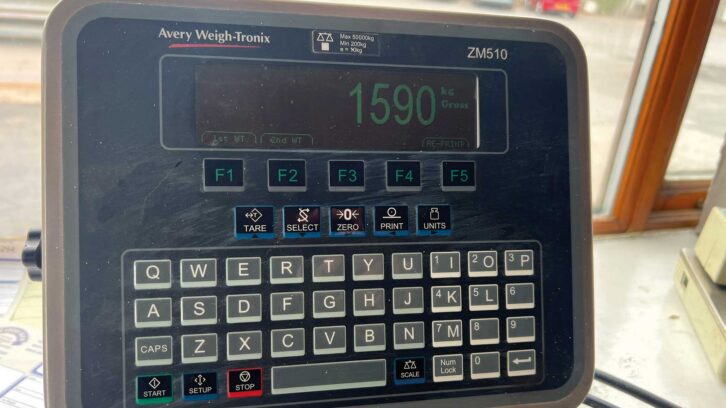
Guesswork isn’t enough. Many public weighbridges can weigh your complete motorhome, but ideally, you also want individual axle weights.
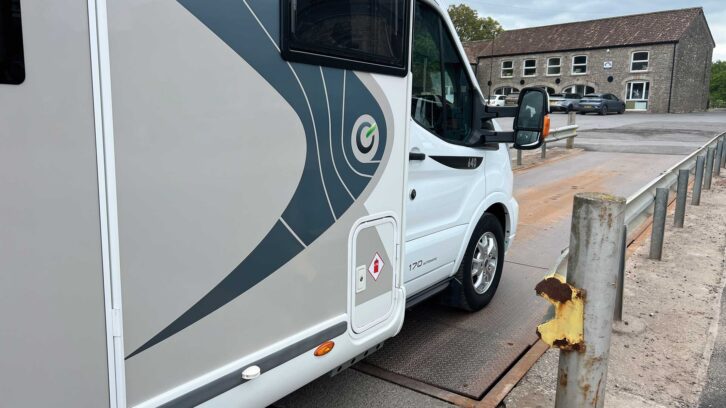
Most weighbridges can do this. The most useful approach is to weigh the vehicle exactly as you travel: passengers onboard, fuel, water, bikes, dog, food, clothing and everything else you normally carry. Only then will you know whether you’re genuinely travelling safely.
You can take a look at our tips on how to reduce the weight of your motorhome too.
My top tip
I always encourage owners to think about weight every time they pack. Before loading something new, ask yourself if you really need it. If you do, a few minutes spent loading thoughtfully can improve handling, braking and safety throughout your journey. After all, travelling lighter isn’t just about saving fuel. It’s about giving your motorhome the best chance of looking after you when it matters most.
Because when it comes to motorhome safety, it’s not simply how much weight you’re carrying: it’s where you’re carrying it.
You can find out more about Motorhome Matt and listen to his podcast at motorhomematt.co.uk.
Don’t miss what Peter Baber had to say about motorhome payloads either.
Future Publishing Limited, the publisher of Practical Motorhome, provides the information in this article in good faith and makes no representation as to its completeness or accuracy. Individuals carrying out the instructions do so at their own risk and must exercise their independent judgement in determining the appropriateness of the advice to their circumstances. Individuals should take appropriate safety precautions and be aware of the risk of electrocution when dealing with electrical products. To the fullest extent permitted by law, neither Future nor its employees or agents shall have any liability in connection with the use of this information. Double check any warranty is not affected before proceeding.
If you’ve enjoyed reading this article, why not get the latest news, reviews and features delivered direct to your door or inbox every month. Take advantage of our brilliant Practical Motorhome magazine SUBSCRIBERS’ OFFER and SIGN UP TO OUR NEWSLETTER for regular weekly updates on all things motorhome related.